The Thriving Rise of Plant-Based Eating in Vietnam (2025 Edition)
Plant-based Eating in Vietnam on The Rise
Across Vietnam, a new food culture is taking shape — one defined by balance, well-being, and self-expression. Once centered on convenience and affordability, eating habits are now step-by-step shifting toward healthy food choices and plant-based eating, particularly among younger Vietnamese consumers.
Smoothie bowls, oat-milk lattes, and “clean eating” menus are no longer limited to niche cafés; they’ve become part of daily life for Gen Z. According to a study by Vero x Decision Lab, nearly 68% of Vietnamese Gen Z and millennialssay they’ve changed their eating habits to include more healthy food and experiment with plant-based eating after the pandemic.
Healthy eating in Vietnam has become more than a diet—it’s a lifestyle movement rooted in awareness, aesthetics, and purpose.
1. Who Drives the Trend?
The biggest force behind this trend is Gen Z, Vietnam’s most health-conscious, digitally connected, and globally inspired generation.
Born in the late 1990s to early 2010s, Gen Z is redefining what “eating well” means. As SVVN Tiền Phong notes, “Gen Z không còn ăn chỉ để no, mà ăn để khỏe và đẹp” – they eat not just to feel full, but to stay healthy and beautiful.
Their choices are shaped by social media, fitness influencers, and a desire to align lifestyle with values. They explore new ingredients – chia seeds, oats, kale, and almond milk – while caring about where food comes from and how it affects their bodies.
Kinh Tế Tiêu Dùng’s 2025 report highlights that Gen Z consumers are fueling demand for plant-based and low-sugar products, turning oat milk, nut snacks, and cold-pressed juices into mainstream staples. TikTok trends such as “#EatClean” and “#HealthyChallenge” have further cemented this culture, blending wellness with fun and aesthetics.
2. Market Drivers of the Trend
Health Concerns – The Core Motivation
The strongest motivation behind plant-based eating in Vietnam remains health.
Following the pandemic, awareness of immunity and lifestyle diseases increased sharply.
According to Vietcetera, nearly half of young Vietnamese said COVID-19 inspired them to improve their diet, prioritizing vegetables, fruits, and natural proteins.
Nutrition experts interviewed by VnExpress note that nut milks and seeds support better digestion, lower cholesterol, and provide antioxidants.
Younger consumers are also turning to oat, almond, and soy milk as lighter, lactose-free alternatives that complement Vietnam’s café culture.
Beyond physical health, Gen Z connects eating well to maintain their mental well-being.
This holistic mindset—blending fitness, mindfulness, and self-care—has made healthy eating a positive, aspirational lifestyle rather than a restrictive one.
Environmental Awareness
Another major factor shaping Vietnam’s plant-based market is eco-consciousness. Although still emerging, sustainability resonates deeply with younger generations who view “ăn xanh” (green eating) as both a personal and ethical choice.
Kinh Tế Tiêu Dùng reports that Gen Z consumers now actively look for sustainable packaging and natural ingredients, viewing such details as expressions of responsibility.
This mirrors global trends in climate awareness, but with a local twist: Vietnamese youth are blending environmental values with lifestyle aspirations. They see “eating green” as stylish – proof that small everyday actions, like choosing nut milk over dairy, can make a difference.
For brands, this intersection between health and sustainability is powerful. It allows them to position plant-based products not just as diet options but as symbols of modern, mindful living.
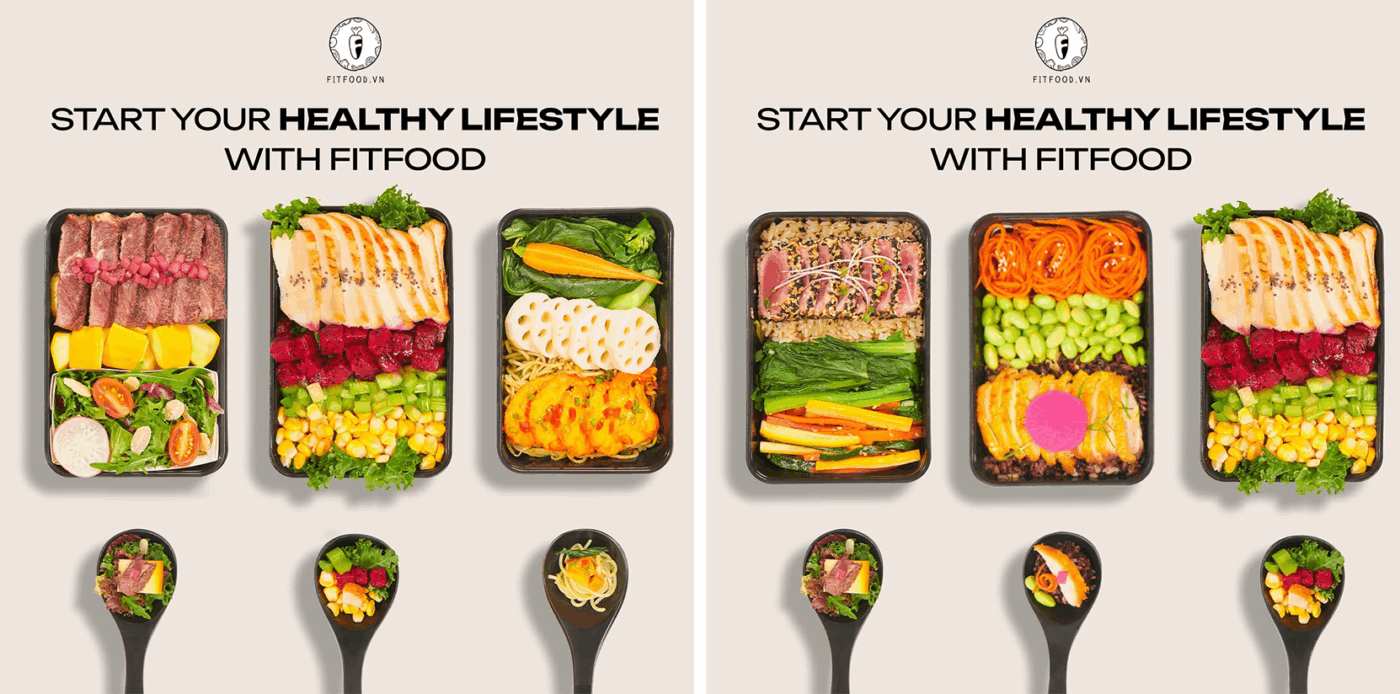
Healthy-food delivery services like Fitfood are gaining popularity among young Vietnamese consumers — but their higher prices still make healthy eating a selective lifestyle choice. (Source: Fitfood)
3. Challenges and Barriers to Eating Healthy
While enthusiasm is high, many Vietnamese consumers still struggle to fully adapt to plant-based eating in Vietnam, facing practical and cultural challenges along the way.
Price remains the top challenge. Even products labeled as “healthy food” often carry a premium price tag, creating a perception that wellness comes at a cost. Imported or premium plant-based products often cost more than conventional foods. According to the Vero x Decision Lab research, even though 70% of young Vietnamese aspire to eat healthily, affordability and product availability limit consistent adoption.
Another barrier lies in taste and culture. Vietnam’s food heritage is deeply communal – centered on shared meals and savory dishes featuring meat and fish sauce. For many, vegetarian or vegan meals still feel “festival-specific” rather than everyday choices.
There’s also a trust gap regarding product labels. Confusion around what qualifies as “organic,” “low-sugar,” or “clean” creates hesitation. Consumers want transparency and education from both brands and policymakers.
Finally, time constraints affect how Gen Z eats. Busy study schedules and fast-paced urban life make home cooking rare. This has spurred demand for ready-to-drink smoothies, salad bowls, and plant-based snacks—quick, accessible forms of healthy food that deliver convenience without compromising health.
4. A Successful Case Study: Oatside
A perfect example of how to succeed in Vietnam’s plant-based market is Oatside.
Since entering Vietnam in 2022, the Singaporean oat-milk brand has become a best-seller among Gen Z consumers, thanks to its smart localization strategy and playful brand personality. Oatside didn’t just introduce a product—it introduced a lifestyle that speaks the same language as young Vietnamese consumers embracing plant-based eating.
As Brands Vietnam analyzed, Oatside’s success comes from four clear strategies:
-
Localized relevance – introducing a global product with a local tone and humor.
-
Lifestyle storytelling – positioning oat milk as part of Vietnam’s café culture, not a niche vegan drink.
-
Playful visual identity – colorful packaging and witty language (“Ngon không tưởng – tốt cho cả trái đất”).
-
Digital integration – engaging Gen Z through Instagram, TikTok, and café collaborations.
Beyond marketing, Oatside actively collaborates with local cafés, lifestyle creators, and F&B brands to make oat milk part of daily life—whether in trendy brunch spots, creative recipe workshops, or coffee chains across Ho Chi Minh City and Hanoi. Its Oatside x Ba Giác partnership and interactive events like the Matcha Oat Caramel Recipe Workshop show how the brand builds community through shared experience and the growing culture of plant-based eating in Vietnam.
Rather than relying on “health preaching,” Oatside built emotional connection through taste and community. Its partnerships with specialty coffee shops made oat milk the default cool choice for lattes and smoothies—bridging wellness with lifestyle aspiration.
Ultimately, Oatside’s journey proves that Vietnamese consumers respond not only to nutrition benefits but also to relatable, culturally fluent storytelling. By merging global design with local flavor, Oatside has made plant-based eatingboth exciting and inclusive—an experience that feels authentically Vietnamese.
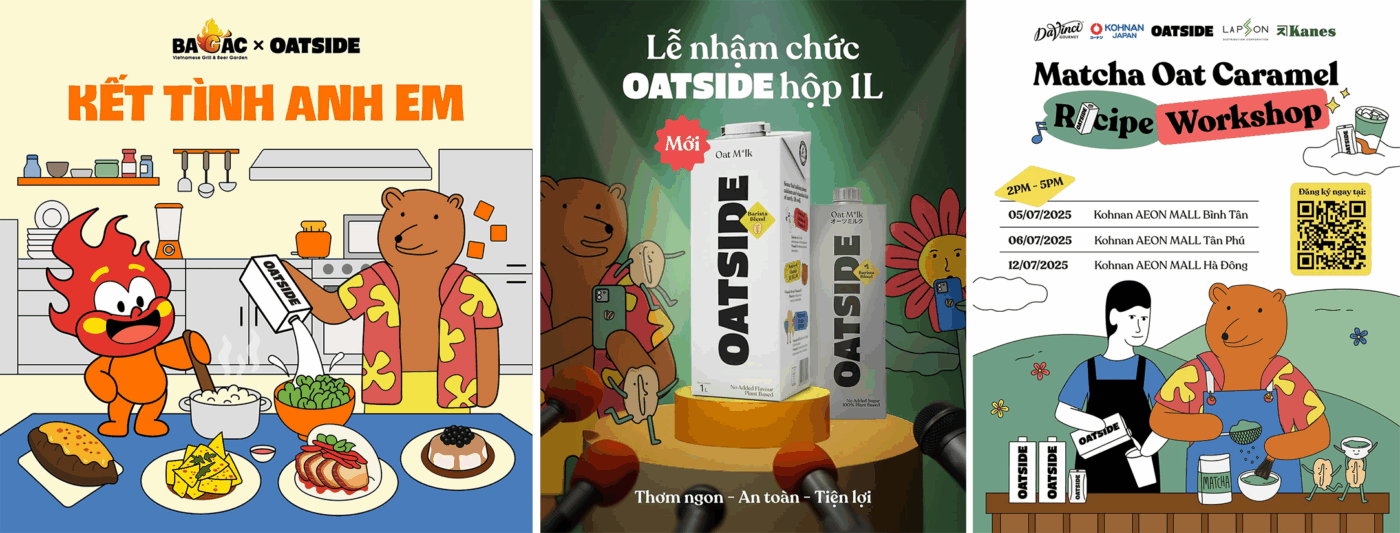
Oatside localizes global flavor with a fun, youthful twist for Vietnam’s Gen Z audience from collabs to workshops. (Source: Oatside Vietnam)
5. The Takeaways
As Gen Z continues to redefine what “eating well” means, plant-based eating in Vietnam is poised to become not just a trend—but a way of life.
Their pursuit of balance, health, and sustainability is reshaping how brands create, communicate, and innovate.
While challenges like affordability and taste adaptation remain, the trajectory is clear: the future of Vietnam’s F&B industry is green, creative, and consumer-driven.
The future of food marketing in Vietnam belongs to those who merge global wellness trends with local taste and creativity. From supermarket aisles to social media feeds, plant-based living is no longer an imported concept – it’s the new Vietnamese lifestyle code shaped by Gen Z.


Comments (0)