Events Sector in Vietnam: How Brands Are Designing Deeper Connections (2025)
In recent years, the events sector has undergone a dramatic shift. The audiences – especially Gen Z and Millennials – are no longer satisfied with surface-level engagement at the events and activations. They seek an engaging atmosphere that stays with them long after the event ends.
That’s why immersive events meet this desire. They aren’t just gatherings; they are curated worlds designed to pull people into a brand’s universe through storytelling, sensory detail, and meaningful interactivity. As digital fatigue continues to rise, these experiences have become one of the most effective ways for brands to foster emotional loyalty.
Vietnam, with its strong culture of in-person engagement and rising creative ambition, has quickly become a hub for immersive event innovation. In order to meet the demand, local and global brands alike are redefining what it means to create an event that is not just attended, but felt.
What Makes Immersive Events Different?
1. Customer-centric Experience
Immersive events in 2025 are no longer playgrounds for showing off high-tech features. Although technology still plays an important role in creating the “immersive” experiences, the most impactful events start with one simple idea: how do we want people to feel?
In that case, technology is featured as a soft layer that enhances the mood, not distracts from it. Gentle lighting shifts, curated soundscapes, scent design, tactile zones, and kinetic elements create subtle immersion that feels natural and human-centered.
At the same time, events are becoming far more visitor-centric. Rather than pushing everyone through one fixed path, modern design gives guests the freedom to explore at their own pace. Clear zoning, hands-on activities, quiet corners, social areas, and accessible layouts make the experience feel personal and comfortable for a wide range of audiences.
When people feel the event was designed for them—their pace, their personality, their curiosity—it turns a simple activation into a meaningful journey. They don’t remember the technology. They remember the feeling.
2. Make the Event an Inclusive Journey with Storytelling
Storytelling is the heartbeat of any immersive event. Without a narrative, even a beautiful setup can feel disjointed. But with storytelling, every detail becomes part of a world visitors are excited to step into.
An effective immersive event story:
- Has a clear beginning, middle, and end
- Is broad enough for universal connection, yet personal enough to feel intimate
- Uses visual, spatial, and emotional cues to guide guests
- Integrates brand meaning subtly and authentically
- Ends with a “takeaway moment” that visitors carry with them—emotionally or physically
When storytelling is done well, the event becomes an inclusive, shared journey. Visitors feel like protagonists inside a narrative, not attendees walking through branded signage. The result is a sense of belonging, emotional clarity, and memorable impact.
Case Studies
1. Vinamilk – “Chu Du Miền Vị Giác” (A Journey Through the Land of Flavors) (2023)
Vinamilk – one of the most trusted brands in Vietnam – launched “Chu Du Miền Vị Giác” as a multi-sensory exhibition that took visitors on a flavorful journey across Vietnam. Instead of a traditional product display, the event recreated four “taste regions” inspired by local ingredients – each with its own colors, sounds, scents, and textures. Guests could walk freely through these zones, experiencing the journey to the dairy land.
Activities included flavor-tasting stations, interactive ingredient exploration, AR-powered storytelling, and a creative area where visitors could build their own “signature flavor profile.” Staffs acted as friendly guides, sharing stories tied to Vietnamese food culture rather than focusing on product features.
With its immersive design, the event quickly became an Instagrammable hotspot in Vietnam.
The exhibition highlighted Vinamilk’s dedication to understanding local tastes and crafting products that feel truly Vietnamese. By blending culture, sensory design, and lighthearted interaction, the event succeeded in creating a warm and highly shareable experience that celebrated the richness of Vietnam’s culinary identity.
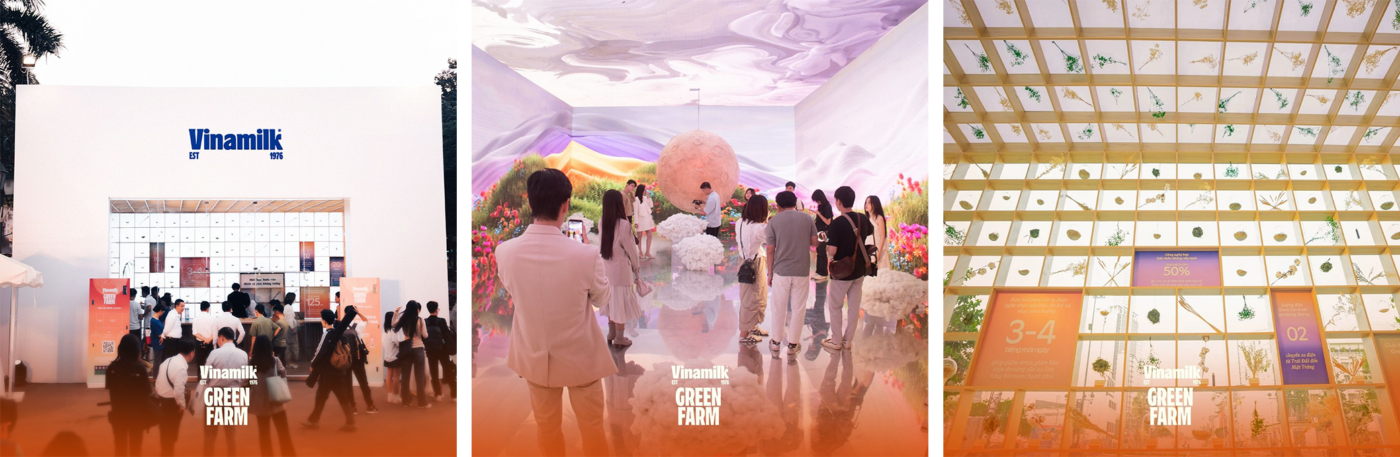
Image Source: Vinamilk’s Faceboook Fanpage
2. Closeup – “Quả Cầu Tuyết Thơm Mát Closeup” (2023)
CloseUp’s Freshness Mint Globe was one of the most standout holiday campaigns in 2023. Instead of a traditional booth, CloseUp built a giant walk-in mint snow globe right in the heart of Hanoi – a magical space designed to celebrate closeness, freshness, and young love during the festive season.
Experiential Zones:
– At the center of the globe was a glowing “Kissmas Tree” When couples stood together under the tree, a special lighting effect lit up the entire space, creating a cinematic, photo-ready moment.
– Around it were mini zones that made the experience even more fun: a DIY area where visitors could mix their own mint toothpaste, a decoration corner for customizing mini pine trees, and a spotlight photo station. Soft snowfall visuals, cool mint scent, and ambient sound completed the immersive winter vibe.
– The campaign blended offline and online engagement seamlessly. Personalized hologram-style invitations sparked early buzz, while a 3D/AR filter allowed young people nationwide to join the “mint globe” experience digitally.
In total, the activation welcomed more than 3,200 visitors, generated 250+ pieces of user content, and drove 1.8 million social interactions, becoming one of the most talked-about Christmas events of the season. It also boosted sales of CloseUp’s mint variants by over 10%, proving that a well-crafted immersive moment can truly move both hearts and numbers.
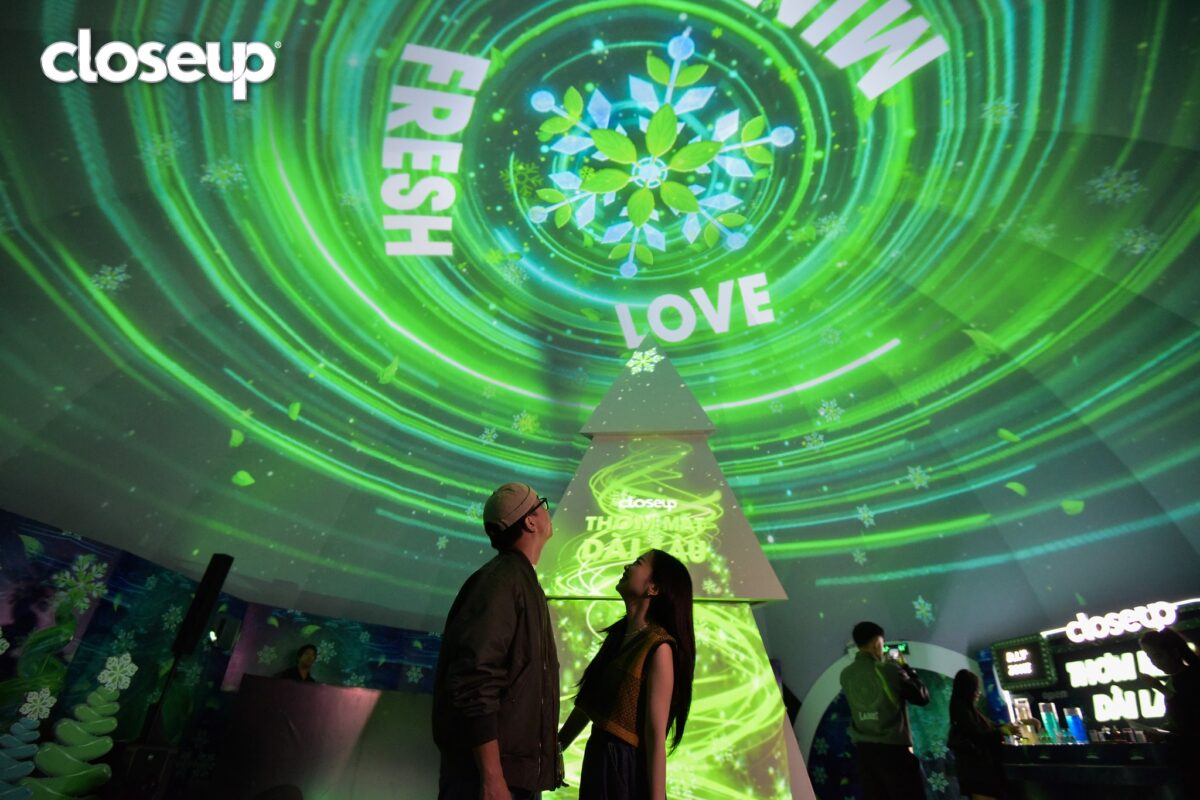
Image Source: Closeup’s Official Facebook Fanpage
3. La Roche-Posay – “The 400 Sun Protection Institute”
La Roche-Posay introduced a fresh kind of skincare experience with its “Viện Chống Nắng 400,” a UV-Light multi-sensory exhibition held at Aeon Mall Celadon Tân Phú. Instead of a regular product booth, the brand built an interactive space where visitors could see and feel the effects of UV rays on their skin.
The event featured a series of hands-on activities: UV demonstrations showing real-time skin exposure, a UV-CAM station where guests could check their sunscreen coverage, a science zone explaining UVA/UVB rays through simple visuals, and workshops led by skincare experts. Visitors also received personalized skin consultations, tried product textures, and joined mini challenges to better understand daily sun protection.
Showcasing the advanced Mexoryl 400 / UVMune 400 filter and NETLOCK formula, the event turned sunscreen education into a fun, sensory journey. It positioned La Roche-Posay as a friendly “sun guardian,” making sun safety feel both accessible and memorable.
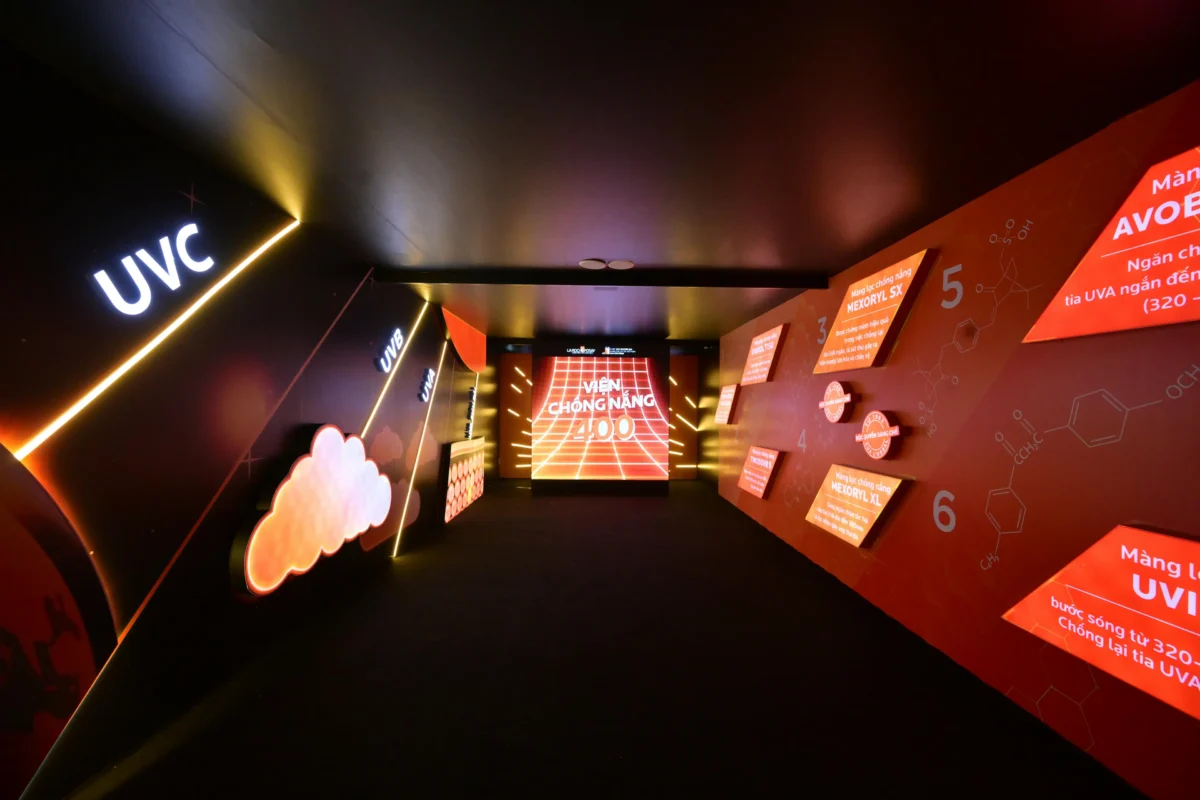
Image Source: L’Officiel
Closing Thoughts
The success of Vinamilk, CloseUp, and La Roche-Posay shows one thing clearly: the audiences want experiences that feel personal, emotional, and worth sharing. The most loved campaigns weren’t the biggest or the flashiest. They were the ones that made people feel something.
For brands planning events in Vietnam, a few principles stand out:
- Start with emotion, not technology.
- Make the experience hands-on.
- Let visitors shape their own journey.
- Use storytelling to tie everything together.
Together, these examples show how brands can create events that don’t just attract crowds, but truly connect with Vietnamese audiences—turning simple activations into experiences people remember, talk about, and love.

Comments (0)